
Introduction
In today’s competitive FMCG and retail environment, customer experience has become a decisive factor in brand loyalty and market leadership. While many large brands invest heavily in advertising, distribution, and pricing strategies, the in-store customer experience, where buying decisions are actually made, is often under-measured.
Professional mystery shopping services, such as those offered by www.mysteryshoppers.org.ng, help FMCG companies and retail chains gain real-world insights into frontline service delivery, compliance, and customer engagement. These insights go beyond internal reports and reveal what customers truly experience at the point of sale.
What Is Mystery Shopping in FMCGs and Retail?
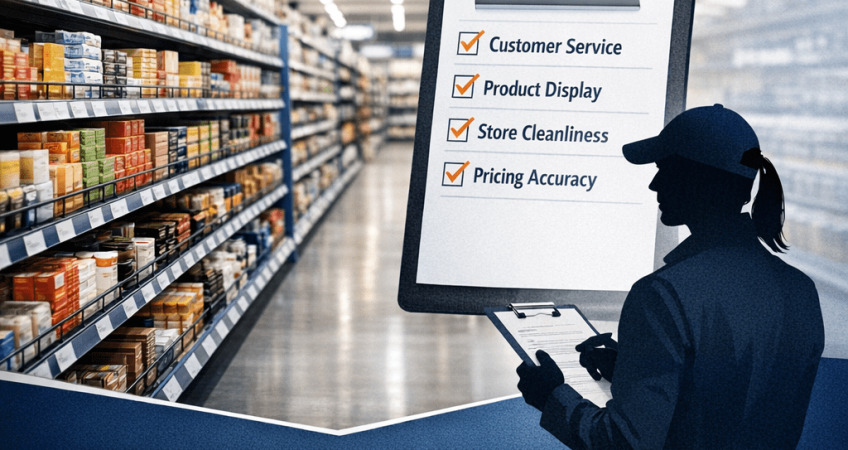
Mystery shopping is a structured customer experience evaluation method where trained assessors visit retail outlets anonymously to measure service quality, staff behaviour, product visibility, pricing compliance, and overall customer interaction.
For FMCGs and retail chains with multiple locations, mystery shopping provides consistent, comparable, and data-driven insights across regions and outlets.
The Gap Between Brand Promise and In-Store Reality
Most FMCG and retail brands operate with defined service standards, merchandising guidelines, and promotional policies. However, mystery shopping frequently uncovers gaps between corporate expectations and daily execution.
Common findings include:
- Inconsistent product placement
- Limited product knowledge among sales staff
- Poor handling of customer enquiries and complaints
- Non-compliance with promotional pricing
These gaps quietly weaken brand credibility and reduce conversion at the shelf level.
Why Large Retail Chains Are More Exposed
As retail networks expand, maintaining service consistency becomes increasingly complex. High staff turnover, outsourced promoters, and regional operational differences make traditional supervision ineffective.
Mystery shopping offers senior management an independent and unbiased view of what is happening across outlets, helping decision‑makers identify patterns, risks, and opportunities that internal audits may miss.
What Mystery Shopping Reveals That Sales Data Cannot
Sales data shows performance outcomes, but it does not explain customer behaviour. Mystery shopping answers the critical “why” behind the numbers.
It reveals:
- Why customers hesitate or abandon purchases
- How staff engagement influences buying decisions
- Where service breakdowns affect brand perception
- How frontline behaviour impacts repeat patronage
These insights help FMCG brands protect market share and strengthen long‑term customer trust.
Managing Brand Reputation in the Digital Age
In an era of online reviews and social media amplification, a single poor in-store experience can escalate into reputational damage. Mystery shopping allows brands to identify service weaknesses early and address them before they become public complaints.
For FMCG and retail brands, mystery shopping is increasingly viewed as a preventive brand‑risk management tool, not just a service audit.
Turning Mystery Shopping Insights into Competitive Advantage
The value of mystery shopping lies in action. When integrated with staff training, performance reviews, and operational improvements, mystery shopping data drives measurable gains in customer satisfaction, service consistency, and brand loyalty.
Leading FMCG and retail brands use mystery shopping to:
- Improve frontline accountability
- Enhance customer engagement strategies
- Support management decision‑making
- Strengthen operational excellence
Conclusion
For FMCG companies and retail chains focused on sustainable growth, mystery shopping is not about monitoring staff; it is about understanding customers at the point where it matters most. Brands that invest in structured mystery shopping programmes gain clarity, consistency, and a competitive edge in crowded markets.
Partnering with an experienced mystery shopping provider like www.mysteryshoppers.org.ng ensures reliable insights, actionable reports, and strategic improvements that protect brand reputation and drive long‑term success.